
H1N1 Flu Virus / Virus H1N1
Current information
L'information le plus récent en français
News
- New clinic dates added
- All clinics will be open to everyone who wants to get the H1N1 vaccine.
This flu vaccine is still very important for people at high-risk of illness, including: children, adults, and seniors with chronic health conditions; pregnant women; and healthy children over 6 months to under 5 years of age.
It is also strongly recommended for: household contacts and care providers of persons at high risk who cannot be immunized or may not respond to vaccines; healthcare workers; and people living in remote or isolated communities. - The Ministry of Health & Long-Term Care have posted some videos answering some common questions about the H1N1 virus.
- Unadjuvanted Vaccine available
The health unit will be offering unadjuvanted vaccine for pregnant women at all our clinics. - Adjuvanted vs. unadjuvanted — what's the difference?
See these questions and answers from the Public Health Agency of Canada
Fact sheet from the Society of Obstetricians and Gynecologists of Canada.
Fact sheet from the PHU - Adjuvanted & Unadjuvanted - H1N1 Vaccine Information for Pregnant Women - Please do not attend any clinics if you are currently ill with fever.
About the Virus
Please remember that most people who get H1N1 will get sick, but they will get better within a week. If your symptoms get better and then get worse, please seek medical attention, either by calling your health care provider, Telehealth at 1-866-797-0000, or going to the hospital.
Confused about doses?
If you are unsure about the dosage recommendations regarding the H1N1 vaccine, the Ministry of Health and Long-Term Care has posted information that you may find useful. Look under "Dosing Recommendations for Children".
Clinic Schedules
You can find detailed schedules for the H1N1 flu vaccine clinics here. Please check often, as clinics are subject to change.
Prevention
Other than vaccination, there are some simple things you can do to protect yourself and those you care about from getting viruses like the flu:
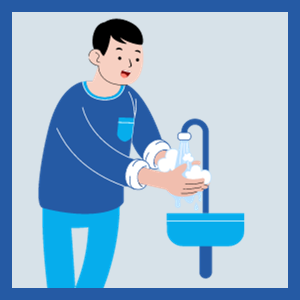
- Clean your hands. Washing your hands well and often is one of the best ways to prevent viruses. Lather up for 20 seconds with soap and water or use an alcohol-based sanitizer.
- Cough and sneeze into your sleeve. Hands spread germs; keep them clean.
- Keep commonly touched surfaces clean. All frequently touched surfaces and items should be kept clean using a household disinfectant.
- Stay home if you’re sick. Don’t spread your germs. If your symptoms get worse, call your health care provider.
See our Take Care fact sheets for more information. (English PDF) (French PDF)
Have I got the Flu?
If you or your child have chronic health problems -- or are a pregnant woman -- and have flu symptoms, you should call your health care provider, Telehealth at 1-866-797-0000, or go to the hospital for treatment.
If you think you or your child has the flu, you can use the Ministry of Health and Long-Term Care's Self Assessment Tool. (Version français: Outil d'autoévaluation en cas de grippe)
There's also information on our Take Care Fact Sheet (English PDF) (French PDF)
The following pages from the Ministry of Health and Long-Term Care may help if you or your child does have the flu:
- What to Do When Your Child is Sick with Influenza
- What to Do When You Have the Flu: A Guide for Adults
- Information for pregnant women
More Information
This month at the Porcupine Health Unit:
Free Activities for Adults 55+
This November, the Health Unit and partners throughout the district will be offering free activities for seniors. Check out the schedule for Timmins, Hearst, Kapuskasing, Cochrane, Smooth Rock Falls, Matheson, Hornepayne, and Iroquois Falls.
Live life, eat healthy and be active with tips on healthy eating, medication, physical activity and preventing falls.